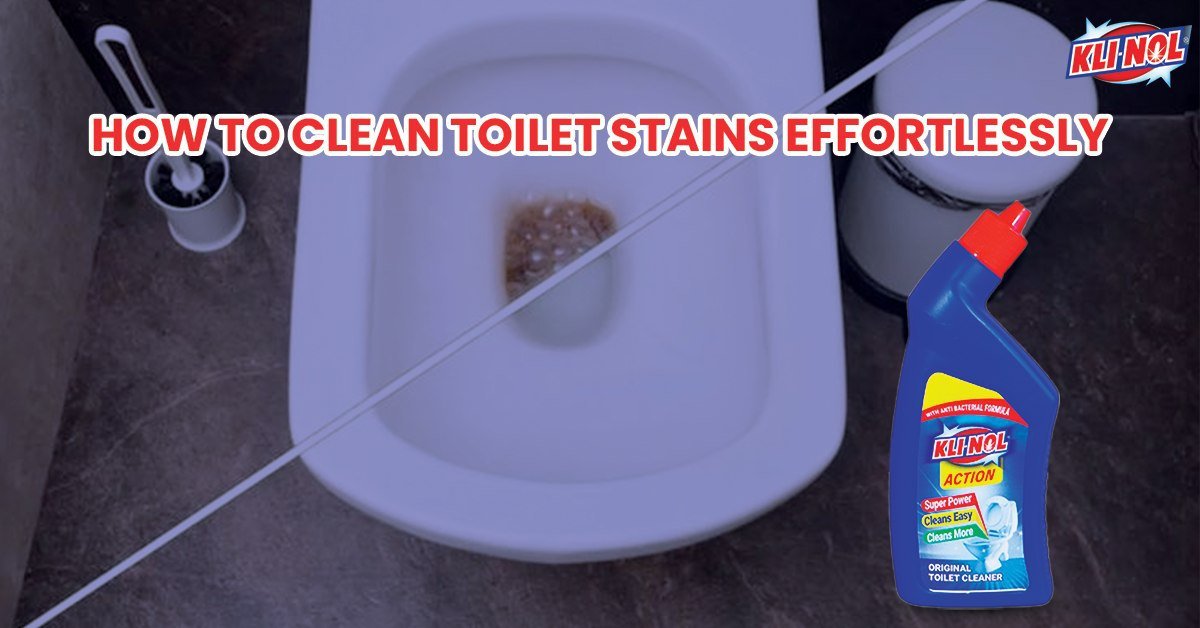
Are you tired of seeing ugly yellow stains and hard water buildup in your toilet? These messy marks make your bathroom feel dirty, making you search for how to clean toilet stains without scrubbing for hours.
We promise that by using professional-grade solutions and smart techniques, you can restore your porcelain to its original shine with half the effort.With the right approach, even the most stubborn mineral deposits can be dissolved, leaving your bathroom looking brand new and smelling fresh.
According to a report by the Water Quality Association, “hard water is a primary culprit, affecting over 85% of households in many regions”which means most homes unknowingly deal with issues like stubborn stains, soap residue, dull surfaces, and reduced cleaning efficiency every single day.
In this blog we will show you the best deep-cleaning methods for tough grime, the science behind discoloration, and simple daily habits for a sparkling bowl.
Why Do Toilet Stains Happen
Why Do Toilet Stains Happen?
If you’ve ever cleaned your toilet and still noticed marks that just won’t go away, you’re not alone. Toilet stains aren’t simply caused by poor cleaning. In most cases, they develop because of what’s in your water and how often moisture sits in the bowl. Once you understand what causes these stains, removing them—and preventing them—becomes much easier.
Here’s why most bathrooms struggle with stubborn toilet stains:
Common Types of Toilet Stains
Rust Stains
These stains show up as reddish-orange or brown marks. They usually mean your water has a high iron content. Over time, iron settles on the toilet surface and leaves behind tough stains that normal cleaners struggle to remove.
Limescale
If you notice a white, chalky layer around the rim or waterline, hard water is the reason. Minerals like calcium and magnesium build up slowly with every flush, creating stubborn limescale deposits.
Organic Build-Up
Dark rings or black patches often form when bacteria mix with standing water. Poor ventilation, infrequent cleaning, or low water flow can make this problem worse.
The good news? Once you know the type of stain you’re dealing with, choosing the right cleaning solution becomes simple—and your toilet stays fresh for longer.
How To Clean A Badly Stained Toilet
How to Clean a Badly Stained Toilet?
If you’ve a bathroom that hasn’t been cleaned in years, don’t feel overwhelmed. Learning how to clean a badly stained toilet is all about using the right chemical reaction rather than just scrubbing harder.
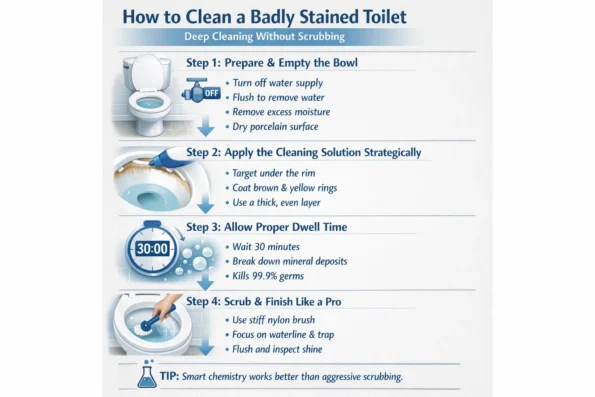
Step-by-Step Deep Cleaning Guide:
1. Prepare and Empty the Bowl
The most effective cleaning happens when the chemicals aren’t diluted with water. When considering cleaning a badly stained toilet, lowering the water level is the secret to success, as it allows the cleaner to target the stains directly at full strength.
- Turn off the supply: Locate the water valve behind the toilet and turn it clockwise to stop the flow.
- Flush the bowl: This will remove the majority of the standing water.
- Remove excess moisture: Use a plunger or a small cup to bail out any remaining water at the bottom.
- Dry the surface: For extreme stains, a quick wipe with a rag ensures the solution grips the porcelain perfectly.
2. Strategic Application of the Solution
Applying your cleaner correctly is the difference between a surface clean and a deep restoration. If you are searching “how to get rid of brown stains in a toilet bowl”, you must ensure every square inch of the affected porcelain is covered.
- Target the rim: Start by applying a toilet cleaner under the rim where water jets reside, as this is often where stains originate.
- Coat the rings: Slowly circle the bowl, allowing the thick, high-viscosity liquid to coat the stubborn brown and yellow rings entirely.
- Use the right amount: Don’t be afraid to be generous; a thick layer ensures the active acids stay in contact with the mineral deposits without running off too quickly.
3. Allow for Maximum Dwell Time
Chemical reactions take time to break down “impossible” mineral bonds. If you are tackling a renovation and need to know how to clean a badly stained toilet, patience is your best tool during this phase of the deep cleaning process.
- Wait 30 minutes: Let the formula sit undisturbed for at least half an hour to penetrate a thick limescale.
- Break down bonds: During this time, the active ingredients in the disinfectant cleaner dissolve the calcium and iron structures.
- Ensure sanitization: This waiting period isn’t just for stains; it’s also when the formula kills 99.9% of bacteria and pathogens hiding in the grime.
4. Professional Scrubbing and Finishing
Once the chemical treatment has softened the debris, the physical removal becomes significantly easier. For those asking “how to clean brown stains in a toilet bowl”, this step requires much less grease after the dwell time.
- Use a stiff brush: A high-quality nylon brush is best for agitating the loosened grime without damaging the porcelain glaze.
- Focus on the details: Pay extra attention to the waterline and the bottom of the trap where minerals settle.
- Rinse and inspect: Turn the water valve back on, flush twice, and witness the sparkling, professional-grade finish.
- Final polish: For an extra shine, do one final quick flush to ensure all chemical residue is completely washed away.
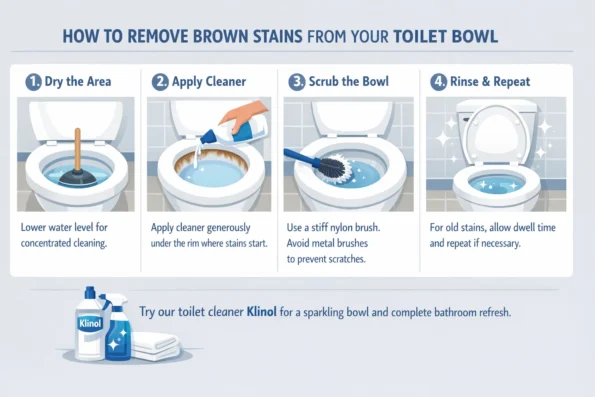
How To Get Rid Of Brown Stains
How to Get Rid of Brown Stains in Toilet Bowl?
One of the most common bathroom problems homeowners face is how to get rid of brown stains in a toilet seatl. These stubborn marks usually form due to a mix of oxidized iron and manganese in hard water. Over time, these minerals settle on the porcelain, creating dark brown rings that regular cleaners struggle to remove.
The key to removing these stains isn’t scrubbing harder—it’s using the right chemical action. A professional-grade toilet cleaner liquid works best because it dissolves mineral deposits while also disinfecting the surface, restoring both cleanliness and hygiene.
Actionable Steps to Remove Brown Toilet Stains
1. Dry the Area
Lower the water level using a plunger or soak it up with a sponge. Cleaning works best when stains aren’t diluted by water.
2. Apply a Concentrated Cleaner
Pour the cleaner generously, especially under the rim, where brown streaks usually begin and spread.
3. Scrub with the Right Brush
Use a stiff nylon or plastic-bristled brush. Avoid metal brushes, as they can scratch the porcelain and make future stains stick more easily.
4. Rinse and Repeat if Needed
For old or deep-set stains, allow the cleaner to sit longer and repeat the process once more.
Looking for a complete bathroom transformation? Check out our toilet cleaner Klinol to keep your floors as sparkling as your bowl.
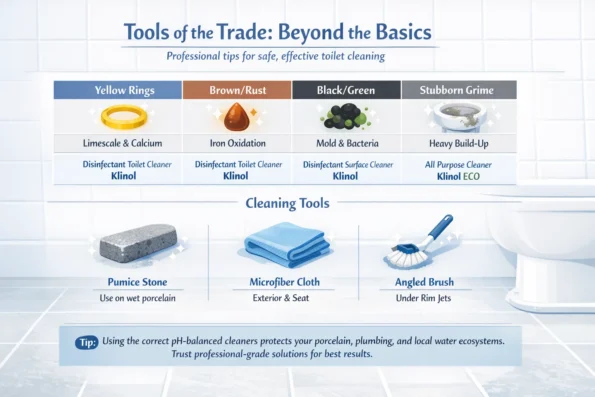
Tools Of The Trade
Tools of the Trade: Beyond the Basics
While others may suggest simple brushes, true professionals know that the material of your toilet matters. For instance, according to the Environmental Protection Agency (EPA), using the correct pH-balanced cleaners prevents damage to your plumbing and local water ecosystems.
Comparison of Stain Treatments
| Stain Type | Cause | Best Solution |
| Yellow Rings | Limescale & Calcium | Disinfectant Toilet Cleaner Klinol |
| Brown/Rust | Iron Oxidation | Klinol Action Toilet Cleaner |
| Black/Green | Mold & Bacteria | Disinfectant Surface Cleaner Klinol |
| Stubborn Grime | Neglect/Heavy Build-up | All Purpose Cleaner Klinol ECO |
Pumice Stones: Excellent for hard water rings but should only be used on wet porcelain to avoid scratching.
Microfiber Cloths: Better for the exterior and the seat than abrasive sponges.
Angled Brushes: Necessary for reaching the “jets” under the rim where bacteria hide.
The Science of Disinfection: Why Material Matters
A major gap in most guides is failing to mention that “stains” are often porous environments for bacteria. When you use a Disinfectant Toilet Cleaner, you aren’t just removing the color; you are killing the pathogens that thrive in the mineral build-up. If you have a marble floor surrounding your toilet, be extremely careful with acidic cleaners, as they can etch the stone instantly.
Pros of Regular Deep Cleaning
Maintaining a clean toilet isn’t just about looks; it’s about hygiene and longevity. Here are the pros of staying on top of your bathroom maintenance:
- Improved Air Quality: Eliminating bacteria at the source stops foul odors before they start.
- Prevents Permanent Damage: Hard water minerals can actually etch porcelain over time if left untreated.
- Saves Money: Regular maintenance means you won’t have to replace expensive fixtures or call a plumber for mineral-related clogs.
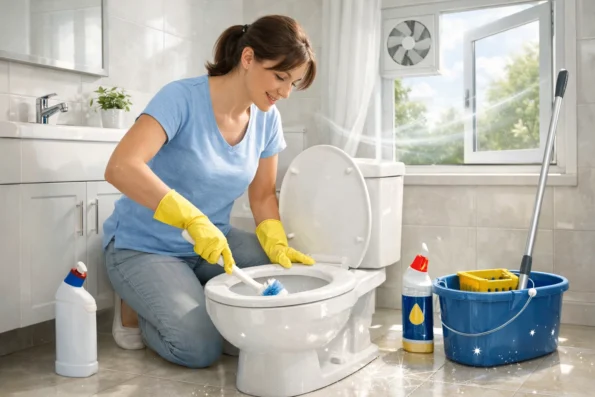
Daily Habits For A Clean Bathroom
Daily Habits for a Clean Bathroom
The secret to never having to search for “how to clean toilet stains” again is consistent prevention. Incorporating these simple habits into your routine will keep your bathroom pristine:
1. Daily Maintenance
A quick swish with a toilet brush every morning prevents minerals from settling.
2. Weekly Deep Clean
Apply good quality toilet cleaner once a week to dissolve the dreaded rings before they harden.
3. Better Ventilation
Ensure your bathroom is well-ventilated to keep humidity low.
4. Mold Prevention
Keeping air moving is the best way to clean a badly stained toilet less often by stopping organic growth at the source.
5. Maintaining the Shine
Every time you flush, minerals settle. By using a drop of Phenyl Concentrated Liquid in your mop bucket for the floor, you ensure the entire environment stays sanitary. This holistic approach makes the task of getting rid of brown stains in a toilet bowl much simpler.
Safety First: Don’t Mix Your Chemicals
One of the most dangerous mistakes in bathroom cleaning is mixing products. Combining an acidic toilet cleaner with bleach creates toxic chlorine gas. Always ensure your bathroom window is open or the fan is running while you work. If you have sensitive skin, wearing gloves is a non-negotiable step to prevent chemical irritation.
Conclusion
To clean toilet stains effectively, apply an acid-based disinfectant like Klinol to a drained bowl, allowing it to dwell for 30 minutes to break down mineral bonds. For stubborn brown or rust marks, use a wet pumice stone or a specialized iron-oxidizing cleaner to restore the porcelain surface without abrasive damage.
Cleaning your bathroom doesn’t have to be a chore you dread. By understanding the mineral content of your water and using the right tools, you can achieve a sparkling finish with minimal effort. Remember to empty the bowl for deep cleans, use acid-based cleaners for mineral deposits, and maintain a weekly schedule to prevent build-up.
If you are ready to transform your bathroom, explore our full range of cleaning solutions at Klinol India and discover how easy it is to maintain a pristine home. Learning how to clean toilet stains is the first step toward a healthier, more beautiful living space.
Frequently Asked Questions
How to clean stubborn toilet stains?
The most effective way is to apply a specialised acid-based disinfectant to a drained bowl, allowing it to dwell for 30 minutes. This chemical reaction weakens mineral bonds, making it easy to scrub away the grime with a stiff-bristle brush.
How to clean a badly stained toilet with heavy limescale?
To restore a heavily neglected bowl, use a high-viscosity cleaner that clings to vertical surfaces and mineral deposits. For rock-hard rings, a wet pumice stone can be used as a last resort to gently lift buildup without scratching the porcelain.
How to get rid of brown stains in a toilet bowl caused by hard water?
Brown discoloration is often oxidized iron or manganese which requires a pH-balanced mineral dissolver. Avoid using bleach as it can worsen rust marks; instead, use a concentrated cleaner like Klinol to lift the stain and disinfect simultaneously.
What is the best way to remove a toilet ring permanently?
Prevention is key to avoiding permanent rings; a weekly application of a disinfectant cleaner stops minerals from crystallizing. For existing rings, ensure the cleaning agent sits directly on the dry surface for maximum penetration before scrubbing.
How to clean toilet stains naturally at home?
While vinegar and baking soda are popular for light maintenance, they often struggle with deep-set mineral deposits. For professional-grade results on tough stains, a laboratory-tested disinfectant formula is required to ensure both visual cleanliness and total germ elimination.